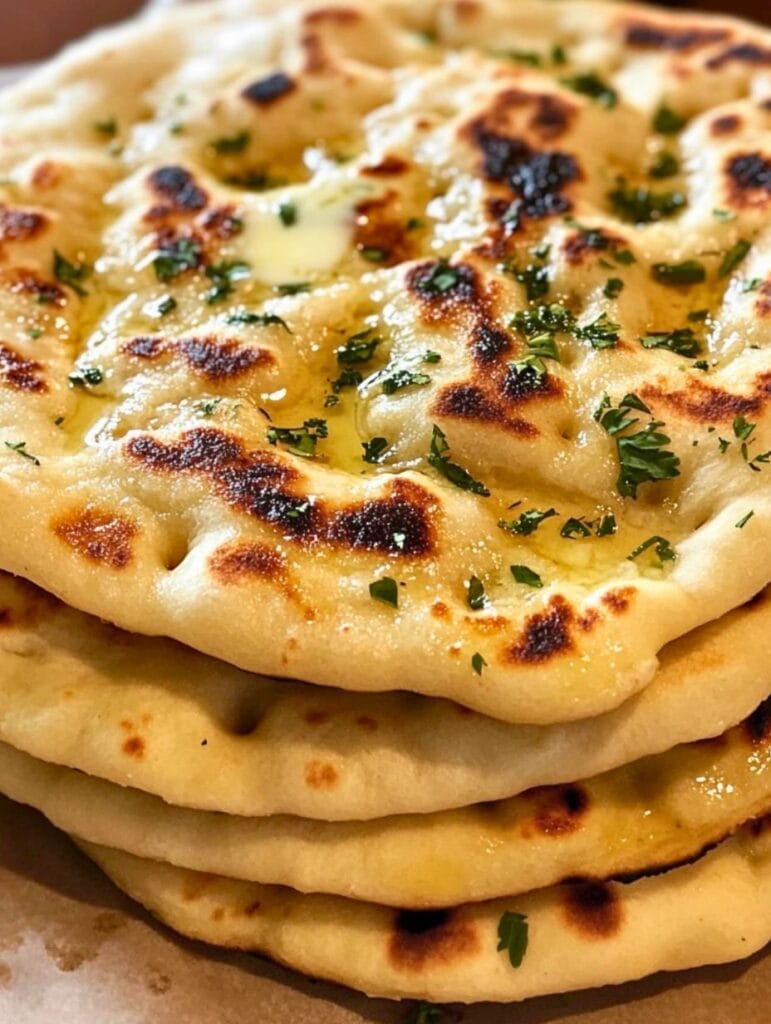
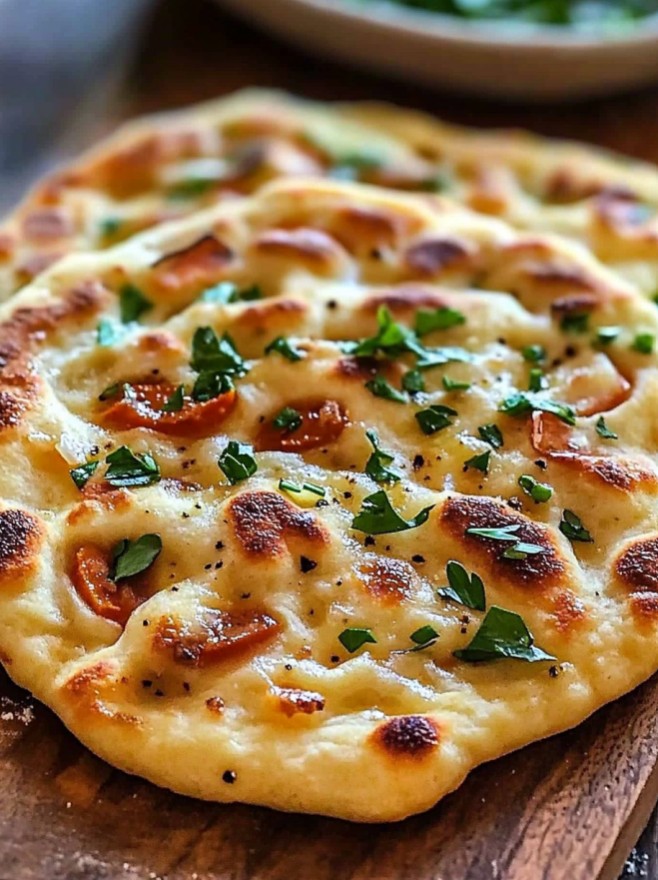
This recipe provides a more detailed, beginner-friendly guide to making delicious, versatile flatbread at home without needing an oven. This is a game-changer for homemade bread enthusiasts, especially beginners.
Save This Recipe! 💌
Cuisine: Mediterranean
Prep Time: 30 minutes
Cooking Time: 20 minutes
Total Time: 1 hour
Servings: 10 flatbreads
Here’s a great video that shows the process of making simple flatbread.
Why You’ll Love Making It
- Incredibly Soft & Fluffy Texture: The combination of yeast for lift and yogurt for moisture results in a wonderfully tender and light flatbread, perfect for tearing, dipping, and wrapping.
- No Oven Required: All the cooking is done on the stovetop in a simple pan or skillet, making this recipe accessible to everyone, regardless of their kitchen setup.
- Amazingly Versatile: Use it as a side for curries and soups, as a base for mini pizzas, or as a wrap for gyros and sandwiches. The possibilities are endless.
- Beginner-Friendly: The steps are straightforward and broken down to ensure success. With detailed tips, you’ll feel confident from the first mix to the final flip.
- Customizable Flavors: While delicious as is with herbs and garlic, you can easily personalize the dough by adding your favorite spices, seeds, or even finely grated cheese.
Ingredients
- 1¼ cups lukewarm water (around 105°F/40°C)
- 2½ teaspoons active dry yeast (1 standard packet)
- 1 tablespoon granulated sugar
- ¾ cup plain yogurt (full-fat preferred for richness)
- 2 tablespoons olive oil, plus more for brushing
- 1 tablespoon salt
- ½ tablespoon dried basil
- ½ tablespoon dried oregano
- 1 teaspoon garlic powder
- 3¾ cups all-purpose flour, plus more for dusting
- ¼ cup chopped fresh parsley (optional)
Instructions
Step 1: Activate the Yeast
In a large mixing bowl, combine the lukewarm water, yeast, and sugar. Gently whisk them together. Let the mixture stand for 8-10 minutes. You’ll know the yeast is active when the surface becomes foamy and bubbly. This crucial step ensures your flatbread will be light and airy.
Step 2: Combine Wet Ingredients and Spices
Once the yeast is activated, whisk in the plain yogurt, 2 tablespoons of olive oil, salt, dried basil, dried oregano, and garlic powder until the mixture is smooth and well-combined.
Step 3: Form the Dough
Gradually add 3½ cups of the flour and the optional fresh parsley to the wet ingredients. Use a wooden spoon or spatula to mix until a shaggy, rough dough begins to form.
Step 4: Knead to Perfection
Lightly flour a clean work surface and turn the dough out. Knead for 4-5 minutes. The goal is a smooth, elastic dough that is soft and slightly tacky to the touch. If it feels very sticky, add a little more flour, one tablespoon at a time. Be careful not to add too much, as this can make the flatbread tough.
Step 5: Divide and Rest the Dough
Divide the dough into 10 equal portions. For uniformity, using a kitchen scale is helpful. Roll each portion into a small, smooth ball. Lightly dust the balls with flour, place them on a tray or cutting board, and cover them with a clean kitchen towel. Let them rest for 15 minutes. This rest allows the gluten to relax, making the dough much easier to roll out.
Step 6: Roll Out the Flatbreads
While the dough rests, preheat a dry cast-iron skillet or non-stick frying pan over medium-low heat. Working with one ball at a time, use a rolling pin to roll it into a circle about 7 inches in diameter. Lightly brush the top surface of the rolled-out dough with olive oil.
Step 7: Cook the Flatbread
Carefully place the dough, oil-side down, into the hot pan. Cook for about 1 to 1½ minutes, or until large bubbles start to form on the surface. While it’s cooking, brush the top (exposed) side with a little more olive oil.
Step 8: Flip and Finish
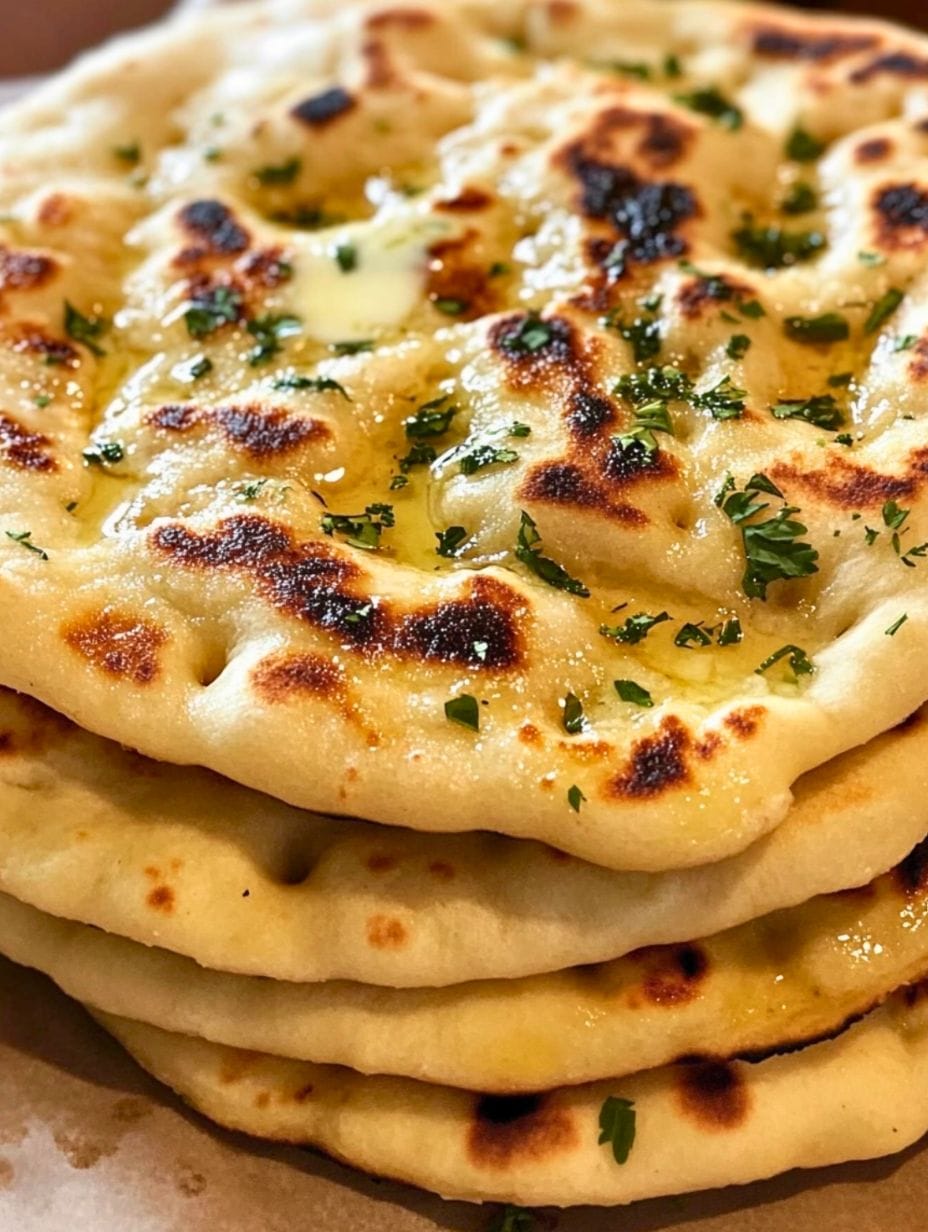
Flip the flatbread and cook for another minute on the second side until it’s golden brown with some darker spots. It should be slightly puffed.
Step 9: Keep Warm and Serve
As each flatbread finishes cooking, stack them on a plate and keep them covered with a kitchen towel. The trapped steam will keep them soft and pliable. Repeat the rolling and cooking process with the remaining dough balls. Serve warm.
Tips for Success
- Don’t Rush the Rest: The 15-minute rest after shaping the dough balls is essential. It makes the dough less resistant to rolling and results in a more tender flatbread.
- Get the Pan Temperature Right: The pan should be hot enough to cook the flatbread quickly, but not so hot that it burns before cooking through. Medium-low heat is usually perfect. If they take too long to cook, they can dry out.
- Roll Thinly: For a soft, foldable flatbread, roll the dough quite thin, about ⅛-inch thick. They will puff up as they cook.
- Cover After Cooking: Stacking and covering the cooked flatbreads is key to keeping them soft. The residual heat creates steam, which ensures they stay pliable.
FAQs
Can I make this flatbread without yeast?
Yes, for a quicker version, you can substitute the yeast with 1 teaspoon of baking powder and ½ teaspoon of baking soda mixed in with the flour. The texture will be slightly denser, but still delicious and soft.
Why didn’t my flatbread puff up?
There are a few common reasons: the yeast wasn’t properly activated, the dough was too dry from too much flour, or the pan wasn’t hot enough. A hot surface is crucial for creating the steam that makes the flatbread puff.
How do I store and reheat flatbread?
Store cooled flatbreads in an airtight container or a zip-top bag at room temperature for up to 2 days, or in the refrigerator for up to 5 days. To reheat, warm them in a dry skillet over medium heat for about 15-30 seconds per side. You can also wrap them in a damp paper towel and microwave for 15-20 seconds.
Can I freeze flatbread?
Yes, this recipe freezes beautifully. Once cooked and completely cooled, stack the flatbreads with a piece of parchment paper between each one. Place the stack in a freezer-safe bag and freeze for up to 3 months. Reheat directly from frozen in a skillet or oven.
What can I serve with this flatbread?
This flatbread is incredibly versatile. Serve it with dips like hummus or tzatziki, alongside hearty stews and curries like Butter Chicken, or use it as a wrap for gyros or chicken shawarma. It also makes a fantastic base for quick, personal-sized pizzas.
Simple Flatbread
Ingredients
- 1¼ cup Lukewarm Water Around 105°F/40°C
- 2½ tsp Active Dry Yeast
- 1 tbsp Granulated Sugar
- ¾ cup Plain Yogurt
- 2 tbsp Olive Oil
- 1 tbsp Salt
- ½ tbsp Dried Basil
- ½ tbsp Dried Oregano
- 1 tsp Garlic Powder
- 3¾ cup All-purpose Flour
- ¼ cup Chopped Fresh Parsley Optional.
Instructions
- In a large mixing bowl, combine the lukewarm water, yeast, and sugar. Gently whisk them together. Let the mixture stand for 8-10 minutes. You'll know the yeast is active when the surface becomes foamy and bubbly. This crucial step ensures your flatbread will be light and airy.
- Once the yeast is activated, whisk in the plain yogurt, 2 tablespoons of olive oil, salt, dried basil, dried oregano, and garlic powder until the mixture is smooth and well-combined.
- Gradually add 3½ cups of the flour and the optional fresh parsley to the wet ingredients. Use a wooden spoon or spatula to mix until a shaggy, rough dough begins to form.
- Lightly flour a clean work surface and turn the dough out. Knead for 4-5 minutes. The goal is a smooth, elastic dough that is soft and slightly tacky to the touch. If it feels very sticky, add a little more flour, one tablespoon at a time. Be careful not to add too much, as this can make the flatbread tough.
- Divide the dough into 10 equal portions. For uniformity, using a kitchen scale is helpful. Roll each portion into a small, smooth ball. Lightly dust the balls with flour, place them on a tray or cutting board, and cover them with a clean kitchen towel. Let them rest for 15 minutes. This rest allows the gluten to relax, making the dough much easier to roll out.
- While the dough rests, preheat a dry cast-iron skillet or non-stick frying pan over medium-low heat. Working with one ball at a time, use a rolling pin to roll it into a circle about 7 inches in diameter. Lightly brush the top surface of the rolled-out dough with olive oil.
- Carefully place the dough, oil-side down, into the hot pan. Cook for about 1 to 1½ minutes, or until large bubbles start to form on the surface. While it's cooking, brush the top (exposed) side with a little more olive oil.
- Flip the flatbread and cook for another minute on the second side until it's golden brown with some darker spots. It should be slightly puffed.
- As each flatbread finishes cooking, stack them on a plate and keep them covered with a kitchen towel. The trapped steam will keep them soft and pliable. Repeat the rolling and cooking process with the remaining dough balls. Serve warm.
Notes
- Don’t Rush the Rest: The 15-minute rest after shaping the dough balls is essential. It makes the dough less resistant to rolling and results in a more tender flatbread.
- Get the Pan Temperature Right: The pan should be hot enough to cook the flatbread quickly, but not so hot that it burns before cooking through. Medium-low heat is usually perfect. If they take too long to cook, they can dry out.
- Roll Thinly: For a soft, foldable flatbread, roll the dough quite thin, about ⅛-inch thick. They will puff up as they cook.
- Cover After Cooking: Stacking and covering the cooked flatbreads is key to keeping them soft. The residual heat creates steam, which ensures they stay pliable.